Empowering Cancer Survivors: A Comprehensive Guide to Wellness, Support, and Self-Care
As a cancer survivor, you’ve journeyed through a challenging landscape filled with uncertainty, treatment, and recovery. Now that you’ve emerged on the other side, it’s time to explore the essential self-care strategies that can empower your well-being. After all, regaining your health is not just about managing the physical effects of illness; it's also about nurturing your mind and spirit. Self-care has become a popular term these days, but what does it truly mean for cancer survivors?
Imagine this: it’s a crisp, sunny day, and you’re at a community park, surrounded by nature. As you engage in a gentle workout—perhaps a leisurely walk or some stretching—you feel your heart beating steadily, reminding you of your resilience. Physical fitness plays a vital role in recovery. Not only does regular exercise help reduce the risk of recurrence, but it can also aid in symptom management, keeping fatigue and discomfort at bay. How often do you prioritize movement in your daily life?
Nutrition is another cornerstone of your self-care plan. After treatment, focusing on a balanced diet can significantly influence your recovery and well-being. Incorporating healing foods rich in antioxidants, vitamins, and minerals can help combat the lingering effects of treatment. Think of leafy greens, colorful berries, and wholesome grains as your armor against any potential malignancy. Have you ever considered how your meals can contribute to your healing journey?
Mental health is just as critical as physical health. As a cancer survivor, it’s not uncommon to encounter mental health challenges such as anxiety or depression. Finding support groups where you can connect with others who understand your experience can be incredibly therapeutic. Remember the words of a wise advocate: “You are not alone in this fight.” Have you reached out for guidance or shared your story with someone who has walked a similar path?
Lastly, advocacy and education are powerful tools in your healing arsenal. By staying informed about your health and treatment options, you become your best advocate in the healthcare system. Perhaps consider engaging in discussions around survivorship care, or exploring resources that aid in navigating the complexities of post-treatment life. What steps can you take today to further empower your journey toward wellness? Embracing these self-care strategies is not just about surviving; it’s about thriving, finding joy, and making the most of every new day ahead.
Navigating the Journey: The Role of Support Groups and Advocacy in Recovery
Navigating the journey of cancer recovery can feel like sailing through uncharted waters. Each survivor faces their own unique challenges, from managing the physical symptoms of their illness to grappling with emotional upheaval. It’s not just about the battle against malignancy; it’s about finding a path to wellness that integrates physical health, mental health, and emotional resilience. Support groups and advocacy play pivotal roles in this journey, providing not only assistance but also a sense of belonging. After all, who wouldn’t want to be part of a community that understands their struggles and celebrates their victories?
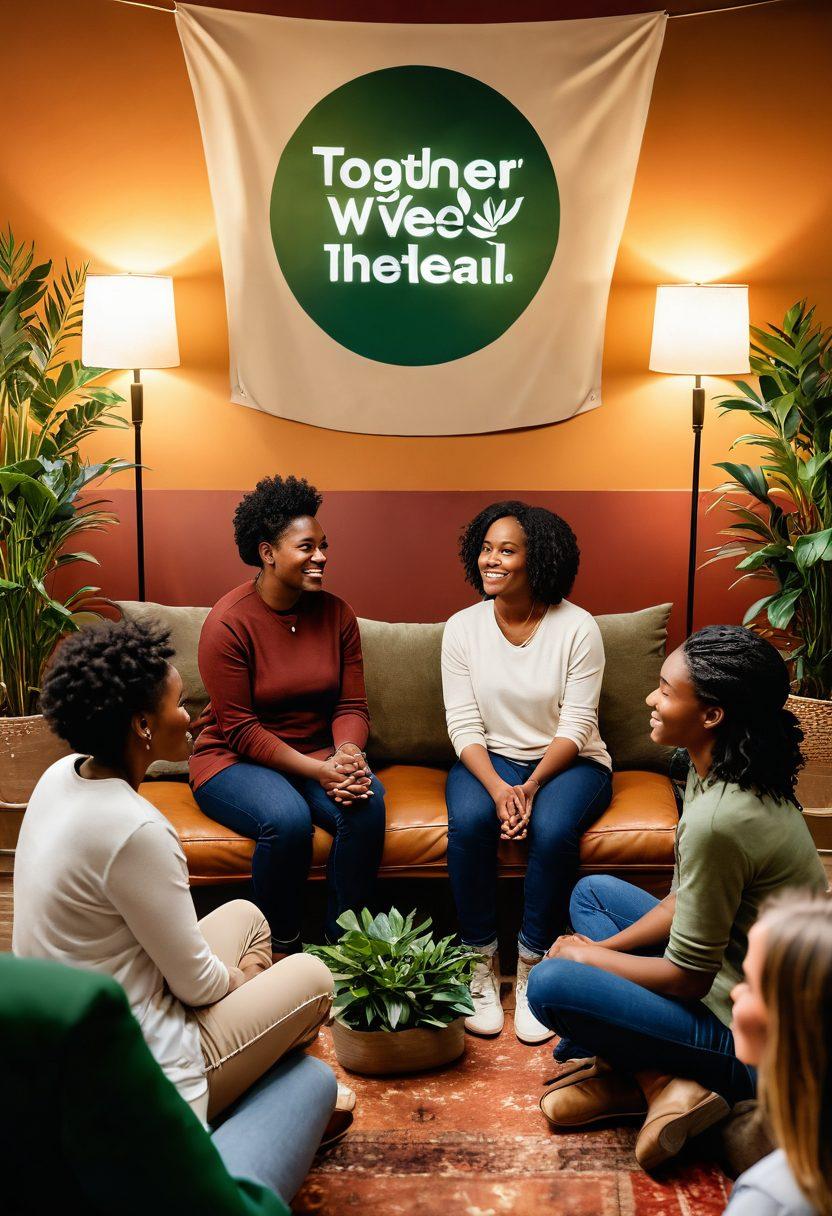
Cancer might be a word that strikes fear, but with the right support, it can also become a part of a survivor’s story of triumph. Picture this: You're sitting in a room full of other cancer survivors, each with their own story of courage. A warm voice says, 'In this space, we lift each other up!' Suddenly, the journey doesn't feel as isolating anymore. Support groups serve as an anchor-point during tumultuous times, allowing survivors to share experiences, advice, and practical knowledge about symptom management and recovery. They nurture connections that empower survivors to engage with their healthcare teams more effectively and advocate for their own well-being.
But how do you find the right support group? It might feel overwhelming, akin to choosing the right remedy for a complex illness. Start by asking your healthcare provider for recommendations. Many oncology departments offer their own programs, tailored to the specific needs of survivors. Additionally, organizations dedicated to cancer support can also guide you towards groups that focus on different types of tumors or malignancy. Remember, it's about finding a community that aligns with your own experience—and that could make all the difference.
Engaging in advocacy is another vital component of the recovery process. It’s not just about personal healing but also about making an impact on the healthcare system. Many survivors find strength in sharing their stories, whether through blogs, social media, or public speaking engagements. As they advocate for better education around cancer treatment, risk reduction, and wellness initiatives, they transform their experiences into powerful tools for change in the healthcare landscape. Every shared story acts like a beacon guiding others out of the fog of confusion, fear, and isolation.
Ultimately, the goal of connecting through support groups and advocacy is to foster a holistic approach to self-care. This means prioritizing fitness, diet, and emotional well-being alongside traditional medicine. Incorporating healthy habits into daily life can help mitigate the risk of recurrence and enhance quality of life post-treatment. As a survivor navigating the complexities of recovery, how will you embrace this journey? What steps will you take to tap into the powerful resources around you? The journey is yours to define, and with the right guidance, support, and mindset, it can blossom into an extraordinary chapter of wellness and empowerment.
From Illness to Empowerment: Education and Fitness for a Healthier Tomorrow
In the journey that follows a cancer diagnosis, many survivors find themselves standing at a crossroads between their past as patients and their present hope for a better future. This transformative path from illness to empowerment is strewn with opportunities for education and fitness, paving the way for a healthier tomorrow. As we shine a light on the intricate dance between oncology, medicine, and self-care, one can't help but ask: What does it truly mean to reclaim your life after a battle with tumor malignancies?
Education is an essential pillar of empowerment for cancer survivors. Understanding the complexities of their illness and the treatments they've undergone equips individuals with the knowledge they need to make informed decisions regarding their health. Education doesn't stop with healthcare; it extends to appreciating the lifestyle changes required for recovery. Whether it’s delving into the specifics of diet that supports symptom management or exploring the latest investigation in cancer cure strategies, knowledge is a potent remedy for anxiety and uncertainty. So, grab that book or attend that seminar – your health is your wealth!
Fitness is another crucial component in the journey of a survivor. Regular exercise not only boosts physical strength, it also helps in reducing the risk of recurrence. Think about it: engaging in fitness regularly is like embracing a supportive community where movement becomes joyous rather than burdensome. How often have you found solace in a morning jog or the invigorating energy of a dance class? Integration of fun workouts into your daily routine can vastly improve your physical and mental health. Fitness isn’t just about recovery; it’s about thriving!
The emotional terrain post-illness can be daunting for many survivors. This is where mental health advocacy plays a significant role. Finding or joining support groups can provide invaluable guidance and a safe space where feelings of isolation can be shared and understood. Peer support offers a soothing balm for the soul, allowing survivors to express their experiences and challenges freely. What's more powerful than sharing your story to ignite hope in another? Together, survivors can motivate one another, sharing their strategies for symptom management and fostering resilience.
As we navigate this journey from illness to empowerment, it’s essential to remember that every individual's path to wellness is unique. Incorporating self-care practices tailored to one’s needs is no longer a luxury; it's a necessity. This extends beyond diet and fitness; it also encompasses mental health and emotional well-being. The question remains: what steps will you take today toward your empowerment? The road may have its bumps, but with education, fitness, and a robust support network, cancer survivors can truly thrive, embracing every opportunity for a vibrant future.